MOREL MUSHROOMS THE TREASURE OF THE SPRING FOREST
MOREL MUSHROOMS
TODAY’S LESSON: Morel mushrooms are among the most prized and expensive wild mushrooms. They grow only during cool, damp spring weather—making this the perfect time to enjoy them. Today, we’ll explore this elusive mushroom and learn how to capture the richness of morel flavor.
WHAT EXACTLY IS A MOREL MUSHROOM?
Morel mushrooms are the fruiting body of an underground organism called mycelium—a network of fine, hair-like fibers. This mycelium forms a web beneath the soil and produces mushrooms to release spores (similar to seeds) for reproduction, much like an apple tree produces fruit. The mycelium often grows near the base of trees, forming a symbiotic relationship with tree roots for nutrient exchange.
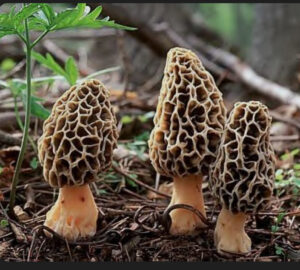
Morels are unique because they are hollow inside, unlike most mushrooms, which are solid. Instead of gills, morels contain spores within the ridges and pits of their honeycomb-like caps.
WARNING FALSE MORELS are poisonous—Easily identified by their solid or cotton like interior, often irregular or lobed shape.
WHERE DO THEY COME FROM? Morels are a natural wild mushroom that grow in many parts of the world with similar climates. Michigan, Oregon and Washington state have the heaviest US harvests, collected by local foragers. There have also been a number of Morels located across southern Illinois, Indiana, Ohio and into Pennsylvania in native forest regions.
WHY MORELS TASTES SO GOOD: Mushrooms are mostly water, and that water carries much of their flavor. Cooking techniques that reduce moisture help concentrate and intensify their taste. Mushrooms also contain more protein than most vegetables, contributing to their strong umami profile. Umami is driven by amino acids—the building blocks of protein—that stimulate savory taste receptors.
Morels are especially rich in these compounds. When cooked over high heat, their natural sugars caramelize and proteins break down further, creating deep, toasted, savory flavors.
ADVANTAGES: Morels are low in calories with more fiber, rich proteins and Vitamin B12(rare for plant-like foods), provide minerals such as iron and copper, compared to other vegetables.
HOW TO SELECT PERFECT MORELS: Wild morels can be a number of different species which will result in slight variations of flavor and texture. They are often named by their color ranging from black to grey, yellow to white. Select the best by freshness as noted by full, un-shriveled stems. The texture should be pliably supple, never dry or soggy. Avoid crumbly paper-like mushrooms which will disintegrate when cooked. Store in a paper bag with a few holes poked in it for ventilation, in the coldest part of the refrigerator. Use within a few days to enjoy them at their peak.
TRICKS OF THE TRADE: Mushrooms are like sponges. Clean the mushrooms by trimming the stems, then brushing away the dirt with a stiff, small brush, such as a toothbrush. Look carefully inside to determine if they must be cut in half to clean the center hollow core. If they are dirtier, rinse well under slowly running cold water, one by one, and immediately drain in a colander. NEVER soak or submerge in water. Dry in a lettuce spinner or on paper toweling well.
The trick to concentrated mushroom flavor and cooking without steaming is to keep the mushrooms dry
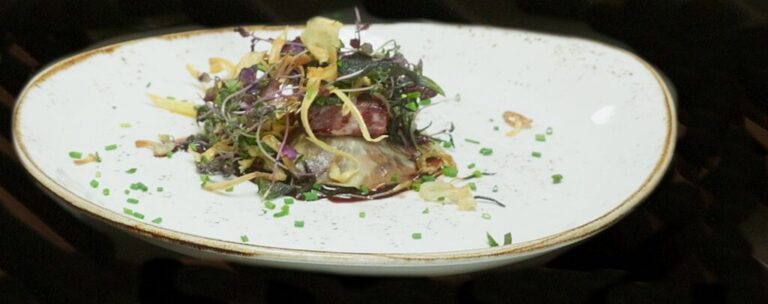
TRY YOUR TECHNIQUE: Try Spring Morel Mushroom & Wild Ramp Blini for the rich, luscious flavor of the forest.
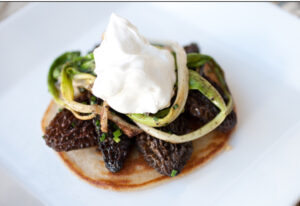
Morel Mushroom & Wild Ramp Blini
Makes 4 servings
4 Rye Blini, cooked recipe follows
1 tablespoon unsalted butter
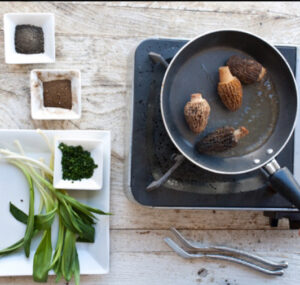
8 ounces fresh morel mushrooms, cleaned and stems trimmed as necessary
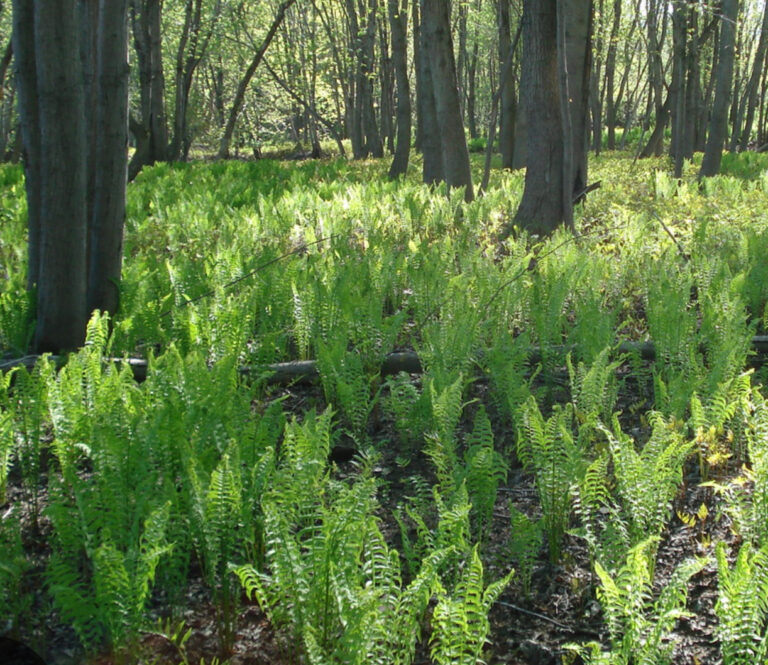
16 small ramps, pull off coarse outer skin, trim roots and rinse as necessary
Porcini sea salt
ground Telecherry black pepper
1 tablespoon snipped fresh chives
2 tablespoons creme fraiche
2 tablespoons Purple Haze goat cheese
To Make:
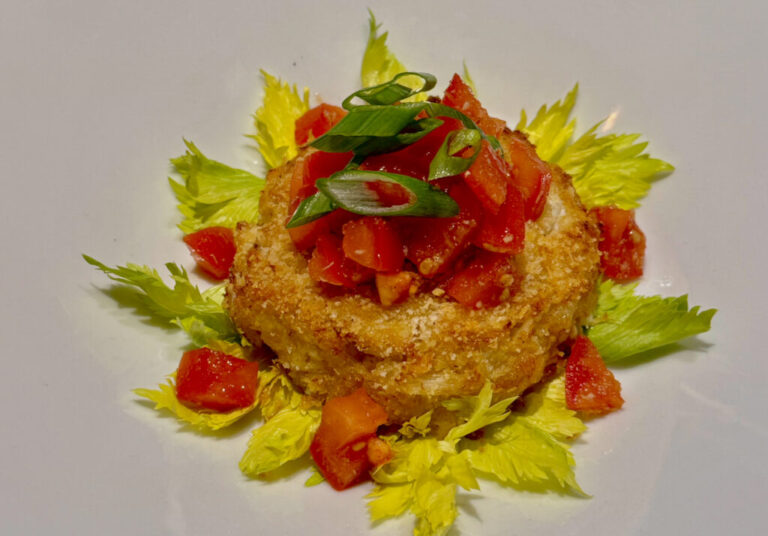
Position the cooked blini in the center of each warm serving plate.
In a medium skillet over high heat add the butter cooking until it starts to brown. Add the morels cooking until seared on all sides, about 3 minutes. Add the ramps cooking until wilted and tender, about 1 minute. Add the chives. Season to taste with Porcini salt and black pepper. Remove from the heat. Position the morels atop the blini. Artistically position the ramps atop the morels.
In a small bowl combine the creme fraiche and goat cheese. Spoon the creme fraiche atop the ramps. Serve.
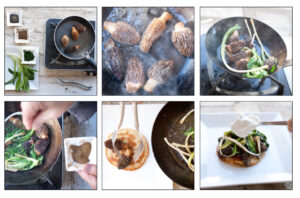
Rye Blini
WHAT IS A BLINI? Blini is a thin Russian pancake that traditionally was yeast leavened and made from oats or buck wheat, poor flours for bread making.
WHAT IS THE HISTORY? Blini were traditionally enjoyed for the Maslenitsa festival of the sun, celebrating the imminent end of winter and the coming of spring. Blini were a symbol of good luck marking significant times through your lifetime such as birth.
WHY DO THEY TASTE SO GOOD? The flavor from the yeast activity develops the blini’s unique taste. This recipe is enriched with butter and cream, and becomes lighter due to the air captured in the whipped egg whites. The use of rye flour adds a certain unique nuttiness to the blini too.
TRICKS OF THE TRADE – Do not refrigerate your blini batter as the yeast leavening effect will decrease resulting in dense texture.
1-1/2 cups warm milk (at about 110F)
1 package dry yeast
1 teaspoon sugar
1 cup all purpose flour
1 cup Bluebird Grain Farms rye flour
3 large egg yolks
4 ounces unsalted butter at room temperature
1/3 cup heavy cream
1/2 teaspoon sea salt
2 large egg whites
In a medium size bowl combine the milk, yeast and sugar. Allow to develop until foamy, about 10 minutes. Whisk in the flours. Whisk in 4 tablespoons of the butter. Whisk in the egg yolks. Allow to rise, covered with a clean cloth, until double about 30 minutes.
Then, in a separate bowl, whip the heavy cream until slightly thickened. Fold into the blini batter along with the salt.
In another separate bowl, whip the egg whites to soft peaks. Fold into the batter.
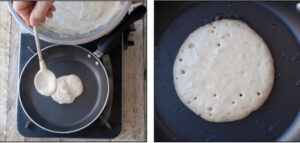
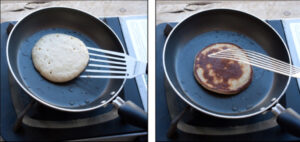
To cook: Melt 1 tablespoon of the butter in a large non stick skillet over medium high heat. Add 1/4 cup of the batter to form a blini, repeating until your pan is utilized. Cook until golden, indicated by bubbles rising to the uncooked surface of the blini, about 2 minutes. Turn over and cook until done, about 1 minute. Transfer to a warm plate, keeping separate and warm in a 150F oven if necessary. Repeat with the remaining batter. Top as you like.